
Local Anesthesia
Shahram Mafazi
(IMG-PDD)
Dermatology-Trained Aesthetic Medicine Educator
- Speaker in IMCAS & Kolkhida world Congress
- International faculty of Aptos Global
- International faculty of IAAM
- Promoitalia (Happy Lift, Assuifil)
- Meditronic (Thread Lift)
- Aptos Global (Thread Lift)
- International Association of Aesthetic Medicine, Canada
- International Zone for Education in New Cosmetic Arts, CA
Local Anesthesia
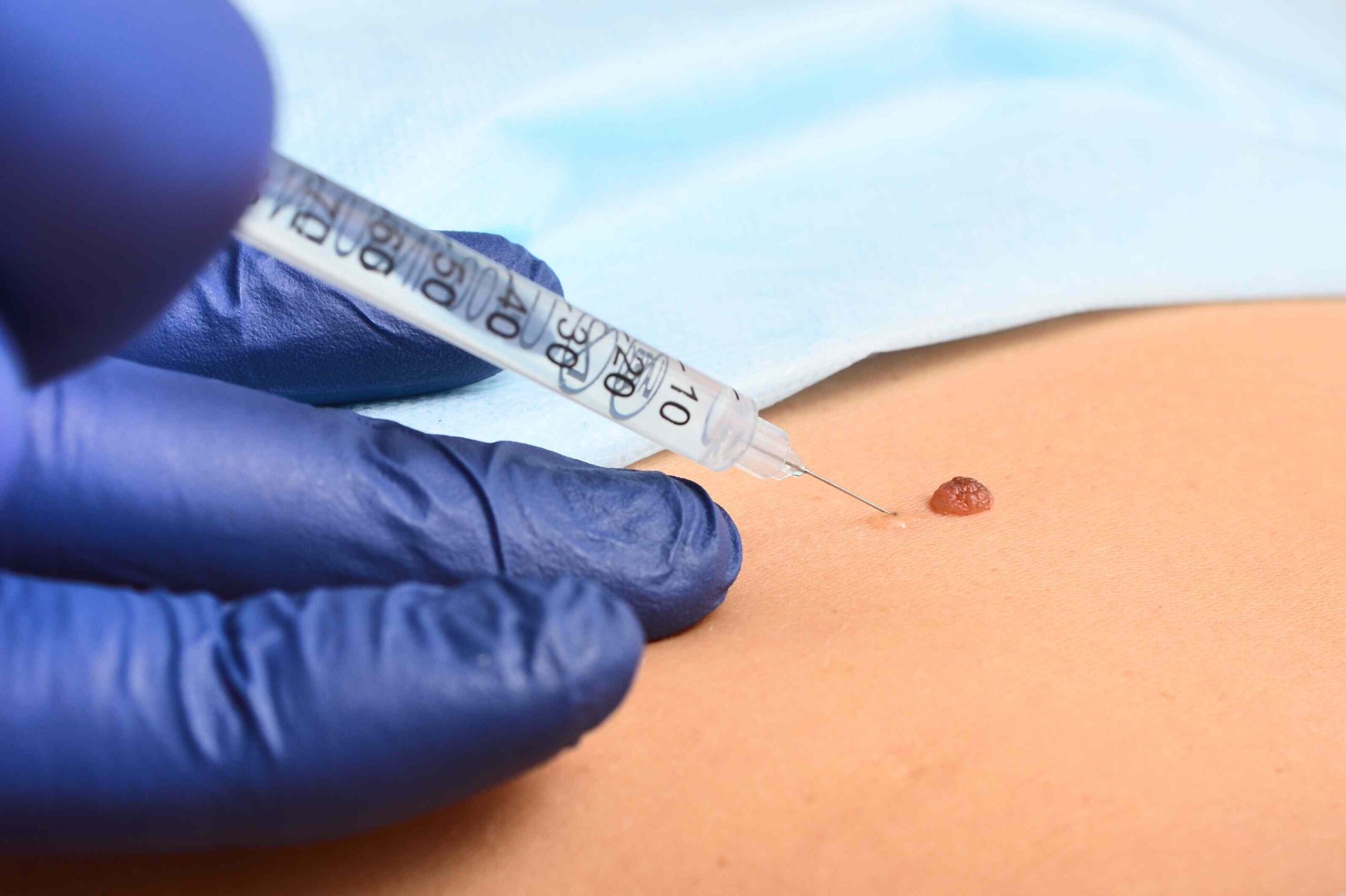
An evidence-based course on local anesthesia for aesthetic procedures. This program covers anesthetic agents, mechanisms of action, and practical application of topical, infiltrative, tumescent, ring-block, and nerve-block techniques. Emphasis is placed on safe dosing, method selection, complication prevention, and structured management of adverse reactions, using practical checklists and clinical decision tools.
- Level Foundation
- Category
- Estimated study time ~6 Hours
- Format Virtual (Interactive LMS)
Learning Objectives
- Compare local anesthetic agents and mechanisms of action
- Select appropriate topical, infiltrative, tumescent, ring-block, or nerve-block methods
- Optimize onset, duration, and safety with additives
- Recognize and manage complications, including systemic reactions and differentials
Curriculum Structure
- Module 1 – Local Anesthetic Agents
Types, properties, and clinical selection. - Module 2 – Mechanism of Action
Neural conduction blockade and pharmacologic principles. - Module 3 – Topical Anesthesia
Indications, limitations, and safety considerations. - Module 4 – Pneumatic Anesthesia
Non-invasive analgesia principles and clinical use. - Module 5 – Cryo-Anesthesia
Cold-based analgesia techniques and applications. - Module 6 – Additives in Injectable Anesthesia
Epinephrine and other modifiers: benefits and risks. - Module 7 – Infiltrative Anesthesia
Technique, depth, dosing, and regional considerations. - Module 8 – Tumescent Anesthesia
Principles, dilution strategies, and safety margins. - Module 9 – Ring Block Techniques
Indications and anatomical considerations. - Module 10 – Nerve Block Techniques
Key blocks relevant to aesthetic procedures. - Module 11 – Complications & Management
Local and systemic adverse effects and response pathways. - Module 12 – Differential Diagnosis of Systemic Reactions
Recognition and early decision-making in suspected toxicity.
Assessment & Certification
- Interactive scenario-based quizzes throughout the course
- Final assessment quiz (minimum score: 70%)
- IZENCA Certificate of Completion (Digital)
Course Features
- 100% online, self-paced learning
- Advanced LMS with progress tracking
- Multi-device access
- Secure viewing (no downloads or printing)
Requirements
Basic medical background (MD, DDS, RN, NP, or equivalent)
Program Access & Enrollment Options
Designed for flexibility and continuous professional development
Secure LMS • Certificate awarded upon completion
Most Popular Choice
Annual License
1 Year Access
$450 CAD
/ access
(Equivalent to $37.50/month)
(Equivalent to $37.50/month)
- One-Time Payment
- Learn anytime, anywhere
- 24/7 access