
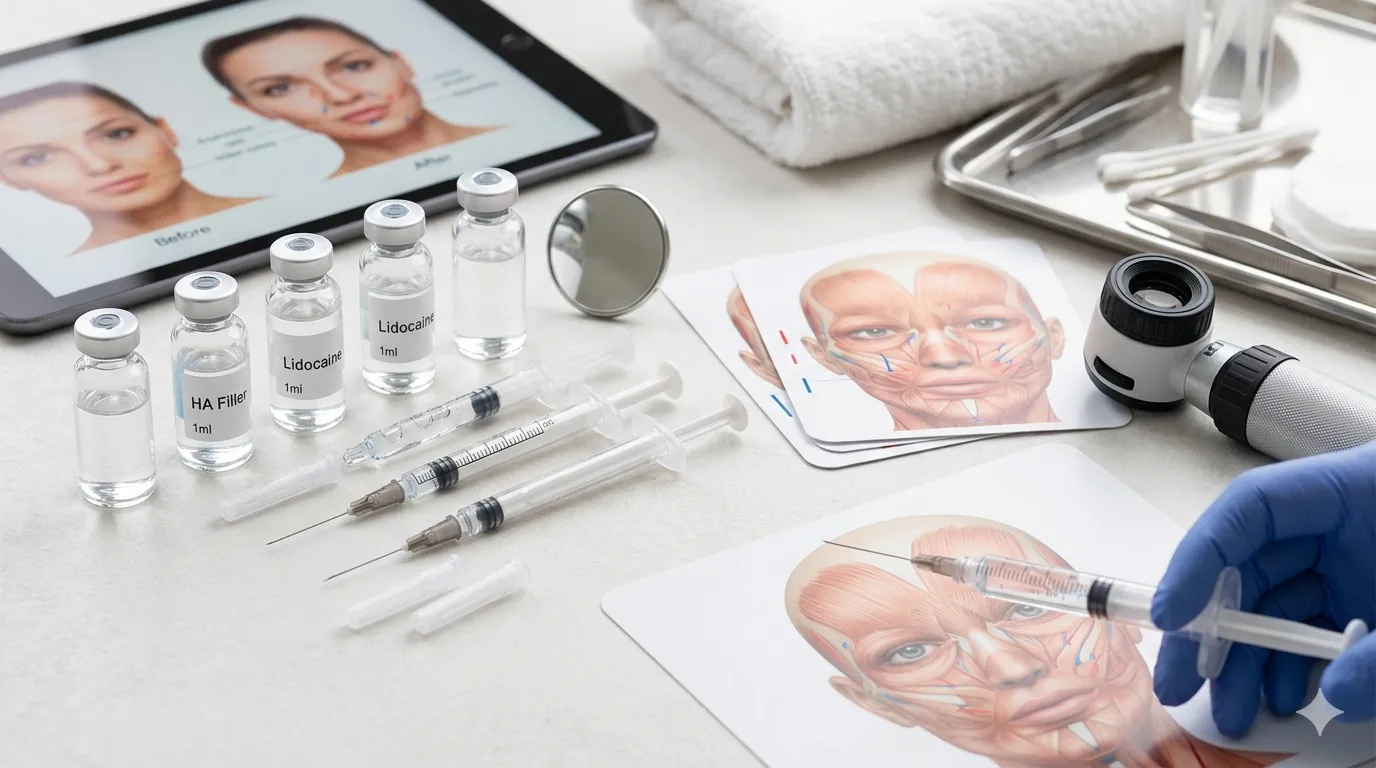
What Is Dermal Filler? A Complete Guide for Medical Aesthetics Professionals
Dermal fillers have become one of the most widely performed non-surgical aesthetic treatments worldwide. From restoring facial volume and enhancing contours to improving facial harmony, fillers play a significant role in modern aesthetic medicine.
For healthcare professionals entering the field of medical aesthetics, understanding dermal fillers is essential. Safe treatment outcomes require a combination of anatomical knowledge, patient assessment skills, product understanding, and evidence-based injection techniques.
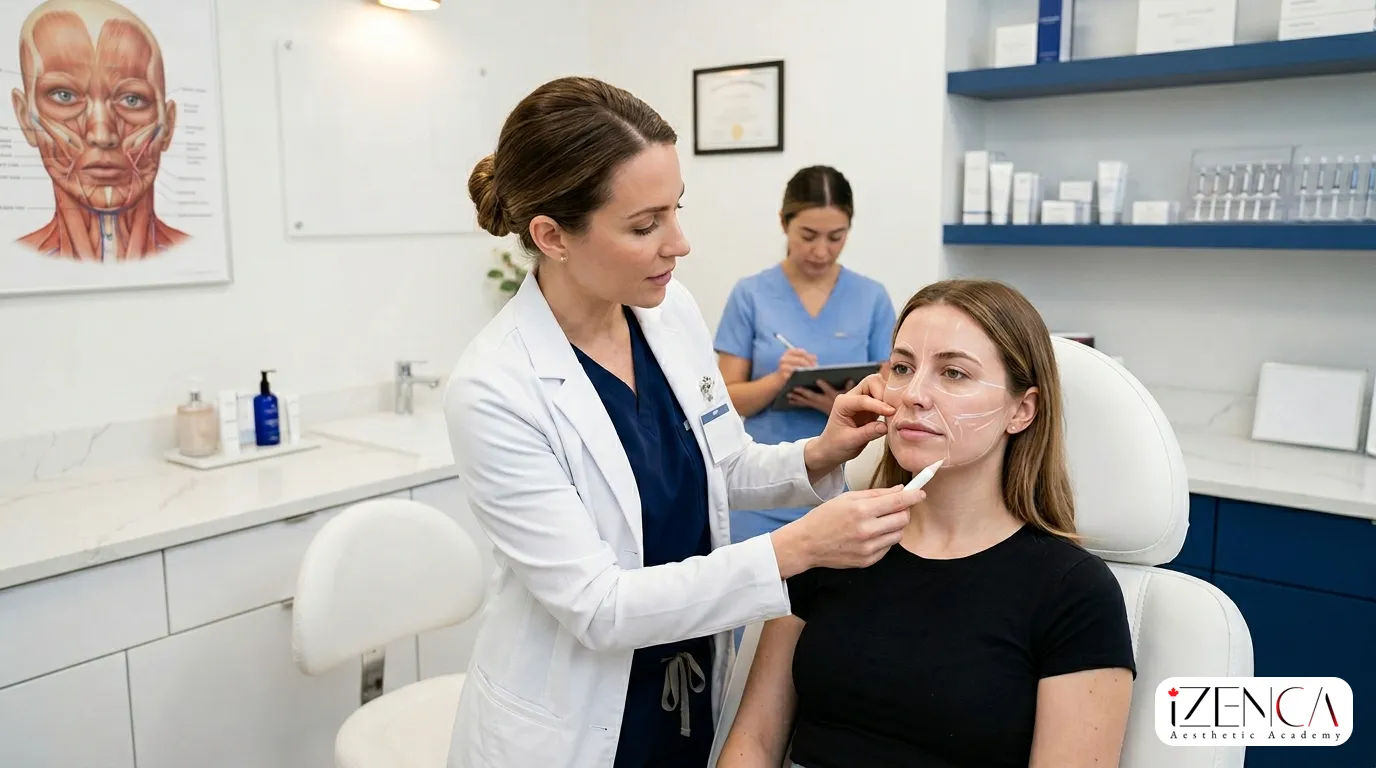
What Are Dermal Fillers?
Dermal fillers are injectable substances designed to restore lost volume, improve facial contours, and reduce visible signs of aging. Unlike neurotoxins, which work by relaxing targeted muscles, fillers provide structural support beneath the skin.
Most modern fillers used in aesthetic medicine are composed of hyaluronic acid, a naturally occurring molecule responsible for maintaining hydration and volume within the skin.
Why Dermal Fillers Have Become So Popular
The demand for minimally invasive cosmetic procedures continues to increase globally. Patients often seek treatments that provide visible improvements without the downtime associated with surgery.
Dermal fillers offer immediate results, customizable treatment plans, and a relatively short recovery period, making them one of the most requested procedures in medical aesthetics clinics.
How Dermal Fillers Work
Facial aging involves a complex combination of bone remodeling, fat compartment changes, collagen depletion, and skin laxity. These changes can contribute to hollowing, volume loss, and facial imbalance.
Dermal fillers work by replacing lost volume and supporting soft tissues. Depending on the product selected, fillers may also help improve hydration and stimulate collagen production.
Types of Dermal Fillers Used in Aesthetic Medicine
Hyaluronic Acid Fillers
Hyaluronic acid fillers remain the most commonly used products due to their versatility, reversibility, and strong safety profile.
Calcium Hydroxylapatite Fillers
These fillers provide structural support and may encourage collagen production in selected treatment areas.
Poly-L-Lactic Acid Fillers
Biostimulatory fillers gradually promote collagen synthesis and are often used for broader facial rejuvenation strategies.
Polymethylmethacrylate Fillers
Permanent or semi-permanent filler options that require advanced clinical knowledge and careful patient selection.
Understanding Facial Anatomy Before Performing Filler Treatments
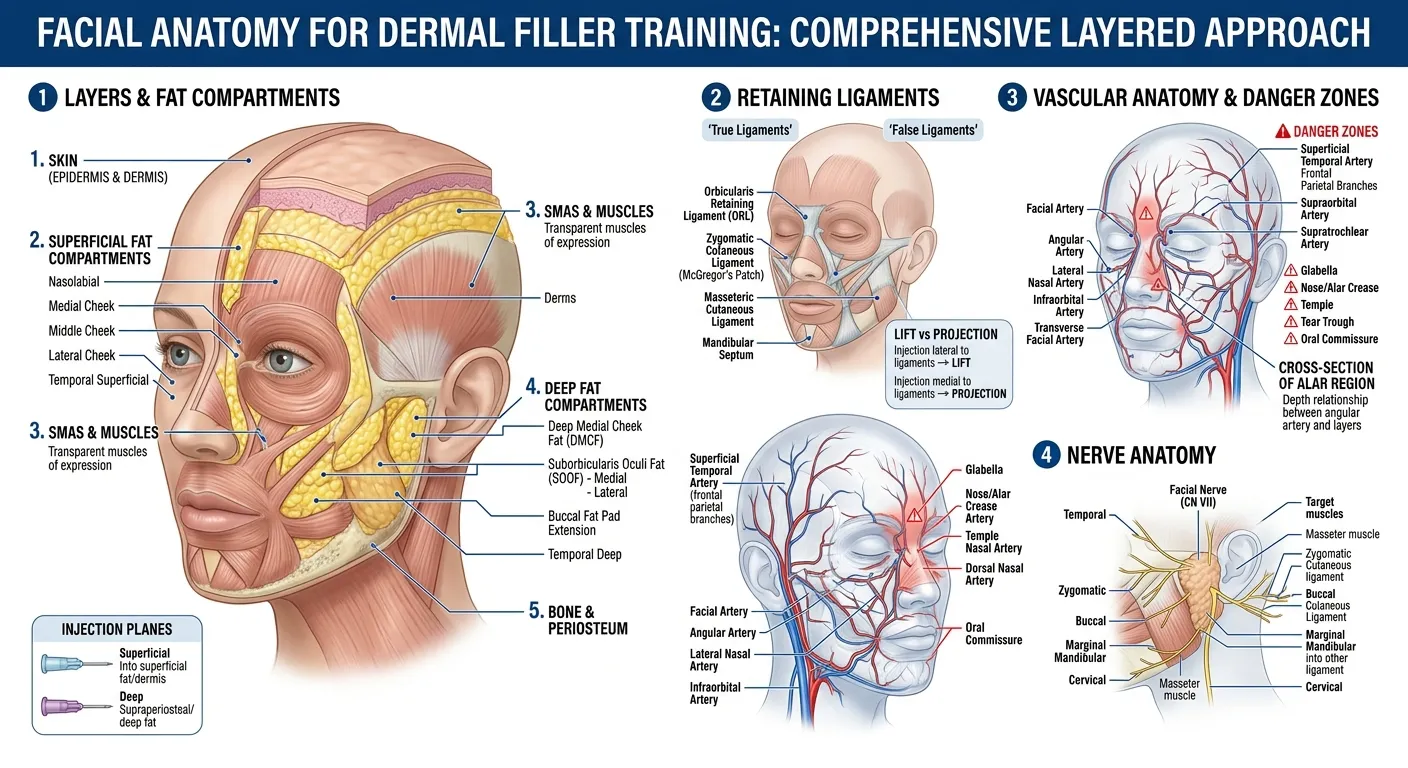
Anatomical knowledge is one of the most important foundations of safe injection practice. Understanding facial layers, vascular pathways, ligaments, muscles, and nerves helps practitioners minimize complications while improving treatment outcomes.
- Skin and subcutaneous tissue
- Superficial fat compartments
- Deep fat compartments
- Retaining ligaments
- Facial arteries and veins
- Motor and sensory nerves
- Bony landmarks
Common Dermal Filler Treatment Areas
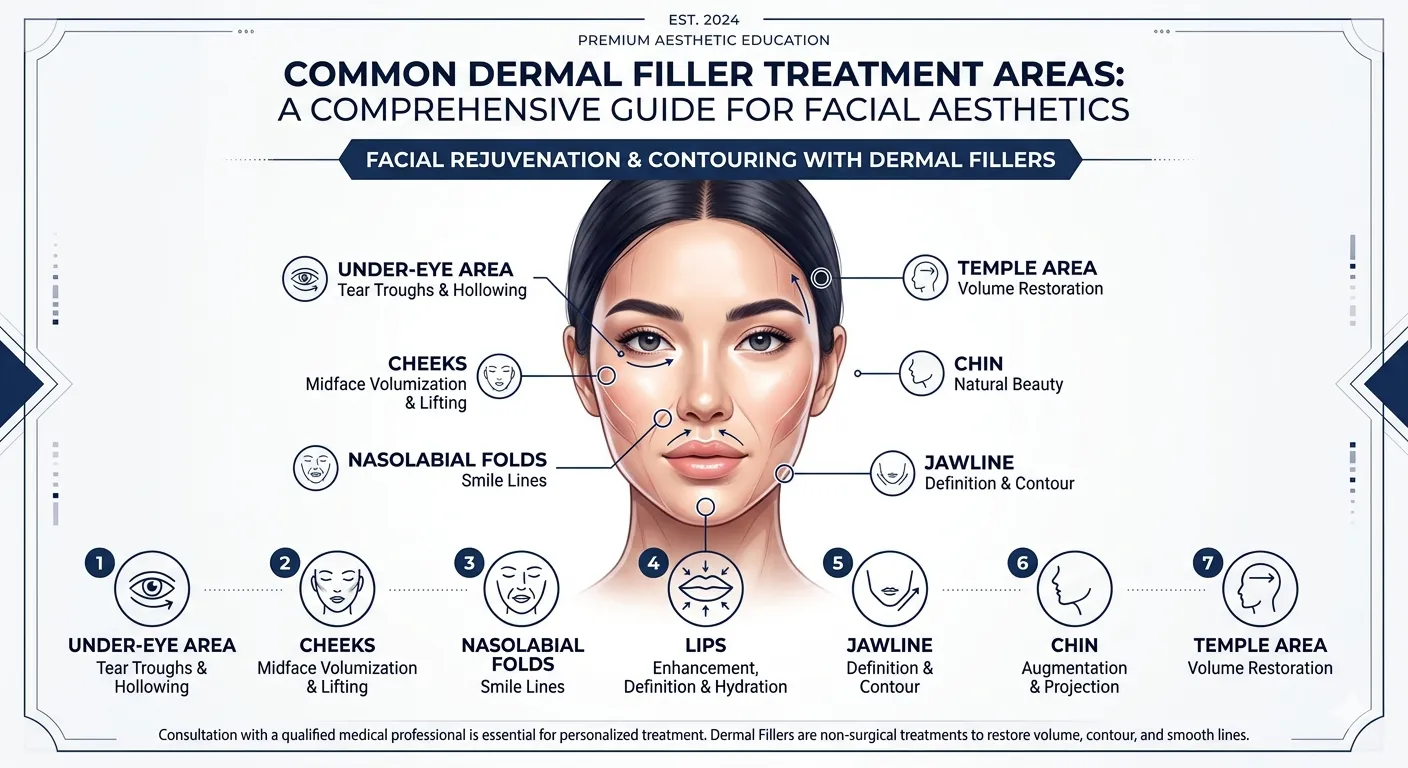
Lips
Lip augmentation remains one of the most requested aesthetic procedures, focusing on volume, hydration, and definition.
Cheeks
Cheek enhancement can restore midface volume and support youthful facial contours.
Jawline
Jawline contouring may improve facial structure and profile balance.
Chin
Chin augmentation can enhance facial proportions and projection.
Nasolabial Folds
Fillers may soften deep folds extending from the nose to the corners of the mouth.
Tear Troughs
Carefully selected patients may benefit from treatment of under-eye hollowing.
Benefits of Dermal Fillers
- Immediate visible improvement
- Minimal downtime
- Customizable treatment approaches
- Natural-looking enhancement
- Non-surgical facial rejuvenation
- High patient satisfaction rates
Potential Risks and Complications
Like all medical procedures, dermal filler treatments carry potential risks. Appropriate patient assessment, product selection, anatomical knowledge, and complication management training are essential for safe practice.
- Bruising
- Swelling
- Infection
- Nodule formation
- Vascular occlusion
- Tissue ischemia
- Delayed inflammatory reactions
The Importance of Professional Dermal Filler Training
Successful aesthetic outcomes depend on far more than injection technique alone. Practitioners must understand patient consultation, facial assessment, anatomy, product rheology, treatment planning, and complication management.
Comprehensive dermal filler training programs provide structured education that helps healthcare professionals develop confidence, competence, and clinical judgment.
Dermal Fillers vs Neurotoxins
Although often discussed together, dermal fillers and neurotoxins achieve different objectives. Fillers restore volume and support facial structures, while neurotoxins temporarily reduce muscle activity responsible for dynamic wrinkles.
Many modern treatment plans combine both approaches to achieve balanced and natural-looking facial rejuvenation.
Frequently Asked Questions About Dermal Fillers
How long do dermal fillers last?
Depending on the product and treatment area, results commonly last between six and twenty-four months.
Are dermal fillers reversible?
Most hyaluronic acid fillers can be dissolved using hyaluronidase when clinically indicated.
Who can perform dermal filler treatments?
Requirements vary according to provincial regulations and healthcare licensing frameworks.
What is the most important skill for beginner injectors?
Strong anatomical knowledge combined with supervised clinical training remains the most important foundation for safe practice.
Conclusion
Dermal fillers continue to play a central role in modern aesthetic medicine. As patient demand grows, healthcare professionals who invest in comprehensive education, anatomy training, and evidence-based injection techniques are better positioned to deliver safe and predictable outcomes.
Whether you are beginning your journey in medical aesthetics or advancing your clinical skills, understanding dermal fillers is a critical step toward becoming a confident and competent aesthetic practitioner.
